Pear Shaped Diamonds
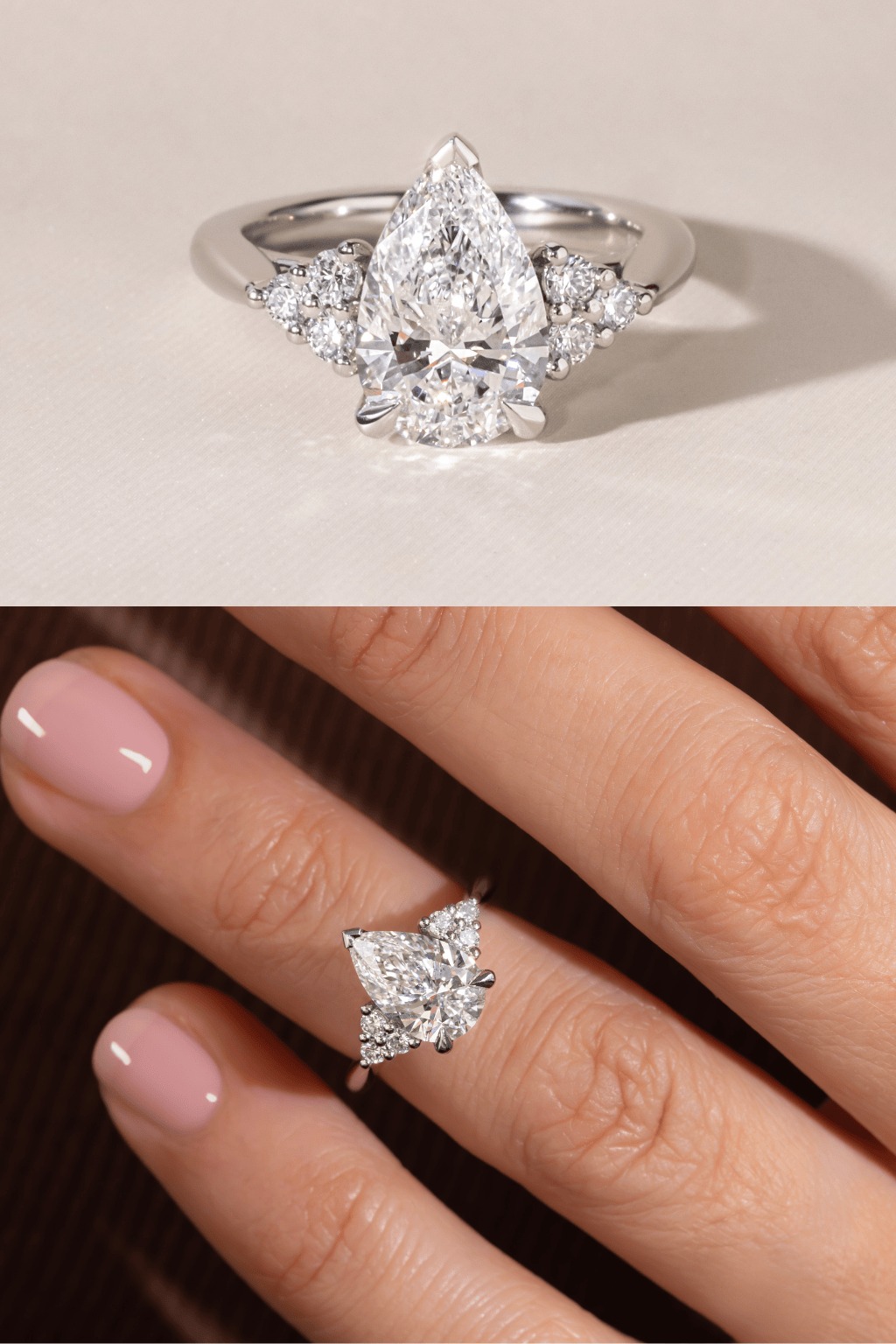
Pear shaped diamonds have always been a favourite in the world of fine jewellery design and make a popular choice for an engagement ring centre stone. The pear shape is a distinctive amalgam of round and marquise shapes with a tapered point on one end. The brilliant teardrop cut is recognised for its symmetry, featuring a facet arrangement that maximises light return and gives the diamond a fiery sparkle. A pear cut diamond shows versatility in every setting, as either a solitaire or surrounded in a halo of shimmering accent stones or as the centre stone in a three-stone ring.
carat
price
color
cut
clarity
polish
symm.
flour.
certificate
depth
table
L:W Ratio
Book Your Pear Cut Diamond Appointment
Book Your Pear Cut Diamond Appointment
Schedule a 1-on-1 consultation with our team of jewellery consultants to view our collection of pear cut diamonds from up close. We will guide you through the selection process to help you identify the diamond that is truly yours.
See the Lovely Diamonds Up Close
Pear Cut Diamond Proportions and Ratios
A pear shaped diamond is best known for its balance of curves and points. Ideally, loose pear cut diamonds should have a length-to-width ratio of between 1.45 and 1.55 for a classic teardrop shape. A length-to-width ratio of 1.55 to 1.70 creates a longer and slimmer look. The depth percentage and table percentage should ideally be in the ranges of 58%-64% and 55%-65% for the right balance of fire and brilliance. A diamond that falls within these specifications will provide the most authentic look that collectors and brides look for.
Bow-Tie Effect and Its Implications for Pear Cut Diamonds
A “bow-tie” effect is a dark, bow-shaped shadow across the centre of certain fancy cuts where light fails to return to the viewer’s eye. In a well-cut pear shape diamond, this contrast adds visual depth without noticeably reducing brightness. At Flawless, our expert gemologists brilliantly control table size, pavilion angles, and facet symmetry to minimise light leakage that causes the bow-tie. As you shop for pear cut diamonds, it is important to view the diamond in a few varying light scenarios to ensure that the bow-tie remains faint and the diamond maintains strong brilliance.
Pear Shaped Diamonds- FAQ's
How can I protect the delicate tip of a pear shaped diamond?
How can I protect the delicate tip of a pear shaped diamond?
Either a V-prong or bezel will protect the tip from chipping and secure the diamond for regular wear.
Can a pear shaped diamond be worn either direction?
Can a pear shaped diamond be worn either direction?
Yes, absolutely. A point facing up creates a more modern and dramatic look, while a point facing down creates a softer look.
Is a lab-grown pear cut diamond different from a natural one in appearance?
Is a lab-grown pear cut diamond different from a natural one in appearance?
Not really. Lab-grown diamonds have the same chemical composition and optical properties as natural diamonds, so the sparkle and beauty is identical.
Are certified pear shaped diamonds more valuable?
Are certified pear shaped diamonds more valuable?
Yes, certification significantly increases a diamond’s worth. Uncertified pear cuts sell at steep discounts because their quality is unverified. A GIA or IGI certificate provides the market liquidity needed to retain value and secure higher valuation prices.
What makes pear-shaped diamonds unique?
What makes pear-shaped diamonds unique?
Their primary uniqueness is a flattering optical illusion. The elongated shape naturally slims and elongates the appearance of the wearer’s finger. No other diamond shape offers this specific combination of extreme brilliance and hand-slimming geometry.
Are pear-shaped diamonds out of style?
Are pear-shaped diamonds out of style?
Pear cuts are currently a major bridal trend and are growing in popularity due to celebrity engagement trends. Modern settings, like east-west orientations and minimal bezels, have successfully modernised this timeless, elegant silhouette.
Is clarity important when buying pear shaped diamonds?
Is clarity important when buying pear shaped diamonds?
Yes, clarity is critical. The open table of a pear cut acts like a window, easily exposing dark marks. An eye-clean VS2 or SI1 diamond delivers a visually clean look and a smart balance of quality and value.

Need help choosing ?
We're happy to help