11 Aug 2025 — by Flawless Fine Jewellery — Reading time 3 minutes
Understanding Colored Lab-Grown Diamonds—Buying Guide
Understanding Colored Lab-Grown Diamonds—Buying Guide
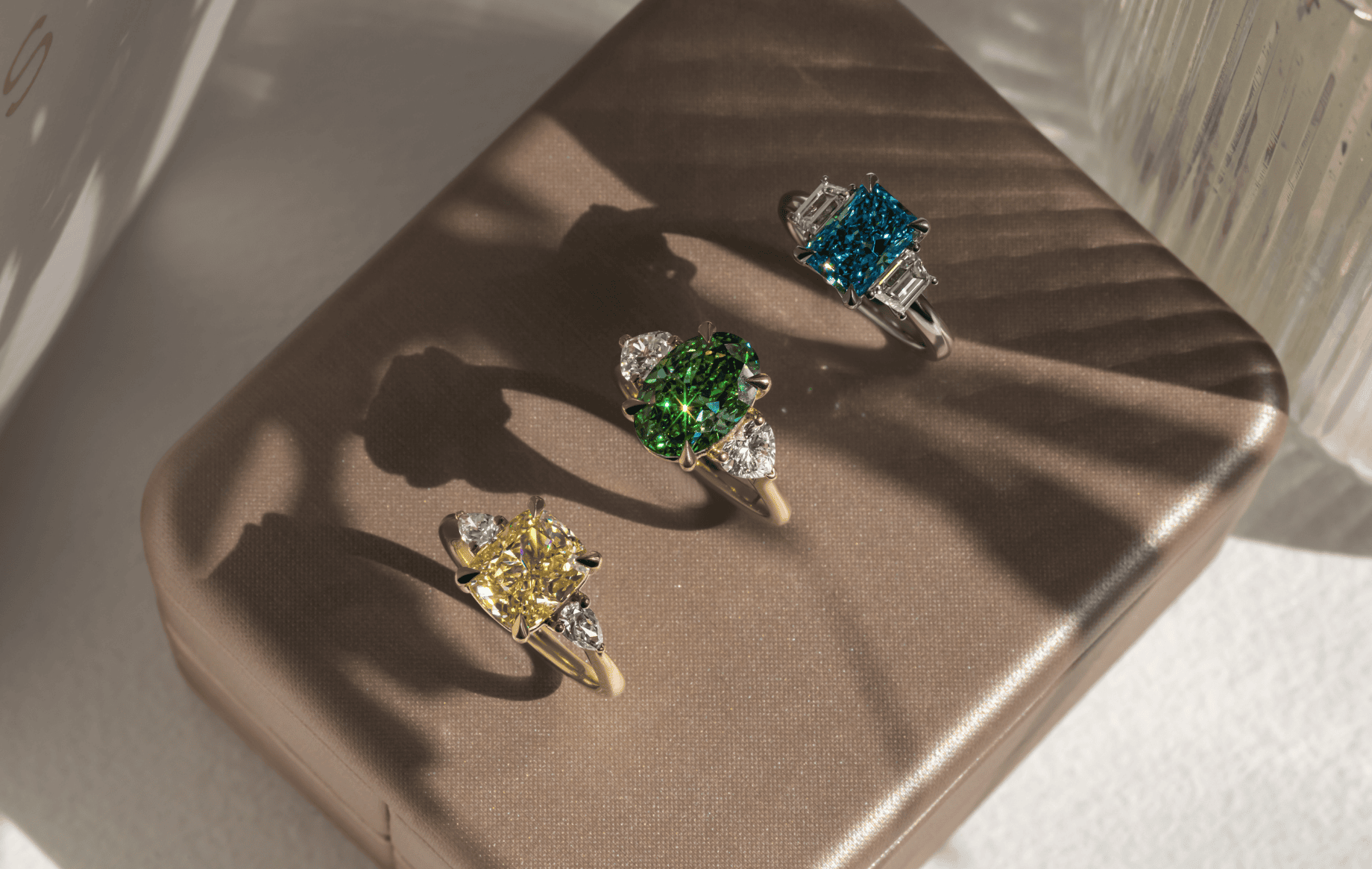
Coloured lab-grown diamonds have become rapidly popular for consumers seeking a colourful, ethical, and affordable substitute for natural-coloured diamonds. With advancements in technology, consumers can now purchase lab-created coloured diamonds in nearly every colour imaginable, from classic yellow and pink diamonds to vibrant blue and green diamonds. Whether you are looking for a distinctive engagement ring or an eye-catching piece of jewellery, coloured lab diamonds offer a breathtaking diamond option for natural stones, combined with affordability and customisation.
This guide will prepare you to understand everything you need to know before making your purchase of coloured lab-grown diamonds, such as how they are created, what to look for, and how you will ultimately make your selection based on the lab-grown diamond colour chart.

Topics covered:
- What Makes Coloured Diamonds So Special?
- Types of Coloured Lab-Grown Diamonds
- The Lab-Grown Diamond Colour Chart
- Benefits of Buying Loose Coloured Lab Diamonds
- How to Evaluate Coloured Lab-Grown Diamonds
- Certified vs. Non-Certified Lab Grown Coloured Diamonds
- Popular Uses of Coloured Lab-Grown Diamonds
- Are Man-Made Colour Diamonds Durable?
- Tips for Buying Coloured Lab-Grown Diamonds
- Why Coloured Lab Diamonds Are Worth It?
What Makes Coloured Diamonds So Special?
Coloured lab-grown diamonds are diamonds that are created with advanced technology, such as chemical vapour deposition (CVD) or High-Pressure High Temperature (HPHT). These diamonds are very similar to natural diamonds, which have the same physical, chemical, and optical characteristics. During the growth process or through the treatment methods, the colour of the lab diamonds can be produced naturally. These diamonds are eco-friendly, making them a smart choice for eco-conscious buyers. The bright colours have also increased their desirability among people looking for a unique product.

Lab-created colours diamonds come in many hues. Some of the more popular colours are:
➤ Blue lab-created diamonds : Blue colour is achieved through boron in the growth phase.
➤ Pink and red diamonds : Pink and red are achieved through post-growth treatment or high-pressure formation.
➤ Green diamonds : Green diamonds are produced through radiation exposure, either in the growth phase or afterwards.
➤ Yellow and orange diamonds occur due to nitrogen presence.
In cultured coloured diamonds, each colour may vary from light to dark intensity, and these differences can impact the colour, rarity, price, and desirability of the diamond.


When searching for coloured lab-grown diamonds, it is important to reference the lab-grown diamond colour chart, which will indicate both the intensity and tone of colour. The colour chart traditionally has the colours broken into groups of Fancy Light, Fancy, Fancy Intense, Fancy Vivid, and Fancy Deep.
➤ Fancy Light : Soft, subtle colours that are great for understated elegance.
➤ Fancy Vivid : Bold and saturated colours that are rare and usually expensive.
➤ Fancy Deep: Very saturated, dark and rich colours that are the most dramatic.
Having an understanding of the lab-grown diamond colour chart will help you make a more informed decision as you are selecting a stone based on both your preference and budget.
Buying loose lab-grown coloured diamonds offers flexibility when designing jewellery. Whether you’re creating a special piece for an engagement ring or pendant, selecting a loose stone allows you to see the diamond’s colour, cut, and clarity up close before it is set.
Additional benefits include:
➤ Flexibility in design and setting options.
➤ Transparent pricing, knowing you are only paying for the stone, with no extra setting costs.
➤ Investment potential, based on rare or intensely colored stones.
Like colourless diamonds, coloured lab-grown diamonds should also be assessed on their four Cs: cut, colour, clarity, and carat weight. However, colour remains the most significant factor in coloured diamonds. Here’s where to take note:

➤ Colour : The colour, tone, and saturation should be consistent and visually pleasing. Use the lab-grown diamond color chart as a guide.
➤ Cut : A properly cut diamond improves brilliance and accentuates the colour more than poorly cut stones.
➤ Clarity : There are typically inclusions in lab-grown diamonds, but clarity should still be assessed regarding the overall beauty.
➤ Carat : Larger stones will display colour better, and this will put the price point higher than smaller stones.
Always ask for a grading report from reputable labs such as IGI or GIA to ensure your lab-grown coloured diamonds are of high quality.
Certified vs. Non-Certified Lab Grown Coloured Diamonds

Popular Uses of Coloured Lab-Grown Diamonds
Because of their striking looks and convenient price point, coloured diamonds can be found in many types of jewellery :
➤ Engagement Rings : A pink or blue diamond makes a romantic, unique alternative.
➤ Earrings and Pendants : Perfect for enjoying the sparkle and colour of the diamond.
➤ Anniversary or statement pieces: Great for celebrating special moments and showcasing bold colour.
Are Man-Made Colour Diamonds Durable?
Yes, man-made coloured diamonds are durable and as tough as natural diamonds, scoring a 10 on the Moh's hardness scale. They are the perfect choice for long-wearing everyday jewellery, including rings, bracelets, and earrings. They are a durable choice, resistant to scratching, and a beautiful investment!
Tips for Buying Coloured Lab-Grown Diamonds
Here are a few suggestions to help you in purchasing the ideal diamond :
➤ Know your colour preference : Use the lab-grown diamond colour chart to see the variety of shades available.
➤ Determine the level of intensity : Decide whether you prefer soft or bold depending on your style and budget.
➤ Verify certification : Ensure the stone comes with a lab report.
➤ Purchase from a reputable source: Make sure they specialize in lab-grown coloured diamonds and are upfront about what they provide.
Why Coloured Lab Diamonds Are Worth It?
Coloured diamonds, created in a lab, open up a sparkling world of possibility for anyone looking for unique jewellery. Whether you are searching for loose coloured lab diamonds, or putting the final touches on a center stone for a ring, coloured diamonds are available in beauty, are bright, are an excellent value purchase, and are ethical. There is a coloured diamond for everyone, from muted shades on the lab-grown diamond colour chart and classic bold brilliance with synthetic coloured diamonds.
When you shop, always buy coloured diamonds that are certified, lab created, and from a reputable seller. And don’t forget to consider your design aspirations, before you purchase. there is so much colour to choose from, cultured coloured diamonds re a new a significant way to express yourself.




Need help choosing ?
We're happy to help