20 Mar 2026 — by Flawless Fine Jewellery — Reading time 12 minutes
Elongated Cut Diamond Guide
Elongated Cut Diamond Guide: Everything You Need to Know
Elongated Cut Diamond Guide
What You'll Learn
➤ Why elongated diamond cuts can create the illusion of greater size and a flattering silhouette on the hand
➤ The differences between elongated diamond shapes and what makes each one distinctive
➤ How the length-to-width ratio influences the way a diamond looks when worn
➤ Which ring settings tend to complement elongated shapes best
➤ Practical care tips to protect the beauty of an elongated diamond ring over time
Introduction
Some rings stop you mid-scroll.
Others you only notice when they catch the light on someone's hand and you find yourself looking twice.
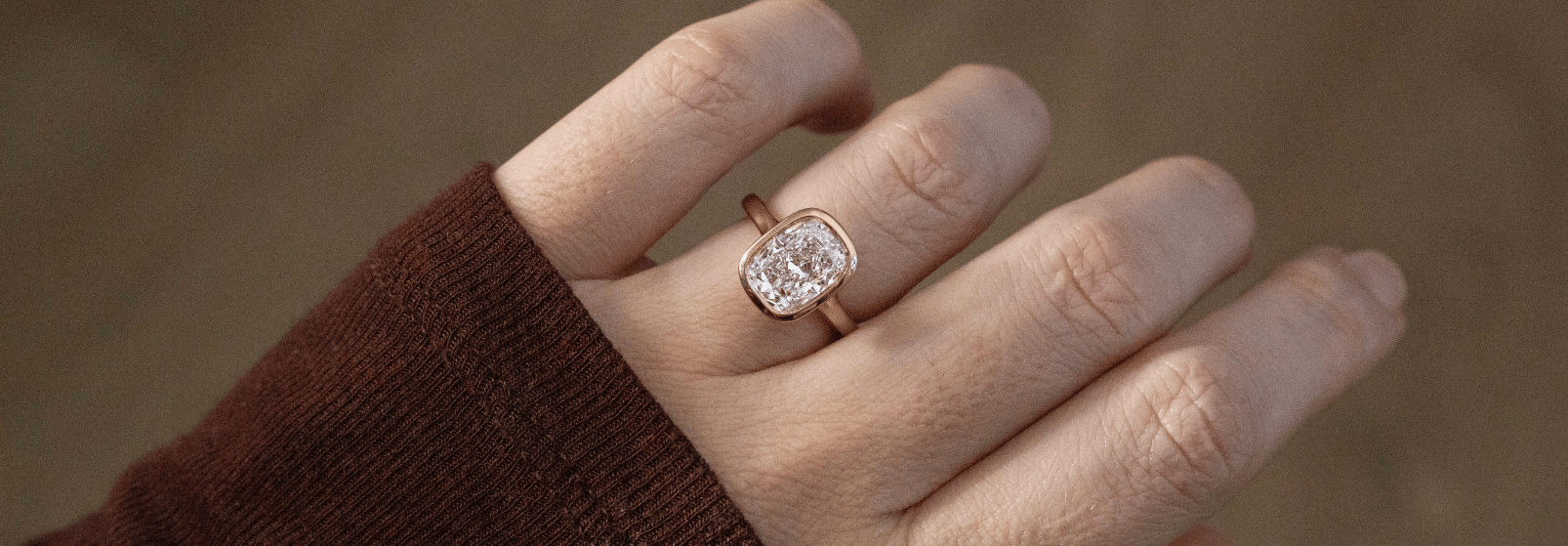
Elongated Cushion cut diamonds tend to have that effect.
Whether you’re drawn to the soft curve of an oval or the quiet confidence of a marquise, these shapes share something in common. They feel intentional. Considered. The kind of choice that reflects the person wearing the ring rather than simply following what everyone else happens to be buying.
This elongated cut diamond guide walks through what actually matters when choosing one. The different shapes, how they look on the hand, and how to choose a setting that works with your lifestyle.

Topics Covered:
- What is an elongated cut diamond?
- Why do elongated cuts look larger on the finger?
- Which elongated diamond shape is right for you?
- How to choose the best setting for an elongated diamond
- How to care for your elongated diamond ring
- Key thoughts
- FAQ's
What Is an Elongated Cut Diamond?
An elongated cut diamond simply means the stone is longer than it is wide.
Instead of sitting in a compact shape like a round brilliant, elongated diamonds stretch across the finger. That longer silhouette changes the way the stone appears from above and often makes the ring feel more elegant on the hand.
The most common elongated shapes include oval, marquise, pear, and elongated cushion.
Each has its own character. Oval diamonds feel soft and balanced. Marquise cuts have a sharper presence and a long history behind them. Pear shapes sit somewhere in between, slightly asymmetric but very distinctive. Elongated cushions offer a warmer, vintage-inspired feel without looking like something from another era.
According to the Gemological Institute of America, fancy-shaped diamonds have been admired for centuries largely because of their proportions and the way they maximise visual presence. That appeal hasn’t really changed.

Why Do Elongated Cuts Look Larger on the Finger?
The explanation is fairly simple.
With elongated shapes, the carat weight spreads across a longer surface area. More of the diamond becomes visible when viewed from above. Jewellers often refer to this as the stone’s face-up size.
That difference can be noticeable.
Research from the GIA on diamond size and weight shows that diamonds with the same carat weight can appear quite different depending on their shape. Oval and marquise cuts usually look larger than round diamonds of the same weight.
There’s also a visual effect many people notice once they try one on. The elongated silhouette draws the eye along the finger rather than concentrating attention in one spot. The result is subtle but flattering.

A quick note on proportions:
• Length-to-width ratios between 1.30 and 1.50 usually feel balanced
• Ratios above 1.50 create a more dramatic elongated look
• Around 1.20 the diamond begins to appear closer to round
There isn’t one perfect ratio. Some people prefer a dramatic shape, while others lean toward something softer.
Which Elongated Diamond Shape Is Right for You?
This part often comes down to personal taste.
A diamond shape doesn’t just influence how a ring photographs. It also affects how the ring feels on your hand every day.
Oval diamonds are currently the most widely chosen elongated shape. They offer strong brilliance, have no sharp corners to worry about, and suit many hand shapes. People often choose oval cuts because they feel distinctive without looking unusual.

Marquise diamonds carry more historical character. The Smithsonian Institution traces the cut back to the court of Louis XV in France. The shape reportedly mirrored the smile of the Marquise de Pompadour. Whether that story matters to you or not, the cut certainly has a striking silhouette.

Pear diamonds introduce asymmetry. When worn with the point toward the fingertip, they can visually lengthen the finger. Many people like them because they feel slightly different while still remaining classic.

Elongated Cushion diamonds have grown in popularity in recent years. The rounded corners soften the shape and create a warmer appearance than harder-edged cuts. If you want to explore this style further, the elongated cut diamond collection at Flawless Fine Jewelry is a useful place to start.

How to Choose the Best Setting for an Elongated Diamond
The setting plays a bigger role than many people expect. It influences how the diamond catches light, how balanced the ring feels, and how comfortable it is to wear daily.
Solitaire settings allow the diamond shape to take full attention. A slim band with a well-set stone keeps the design clean and timeless.

Halo settings surround the centre stone with a circle of smaller pavé diamonds. This can make the ring appear larger and adds a subtle vintage feel.

East-West settings place the diamond horizontally across the finger instead of vertically. It’s less common, which is exactly why some people like it. The ring feels architectural and different from traditional engagement rings.

Three-stone settings introduce side stones alongside the centre diamond. Tapered baguettes paired with an elongated cushion or oval often create a very balanced look.

Metal choice also influences the overall appearance:
• Platinum offers durability and a cool tone that complements high-colour diamonds
• 18ct yellow gold softens the overall look and pairs beautifully with elongated cushions
• Rose gold provides warmth and works especially well with oval or pear shapes
How to Care for Your Elongated Diamond Ring
Fine jewellery usually asks very little in return. A bit of occasional care keeps everything looking its best.
The pointed tips of marquise and pear diamonds deserve extra attention. These areas should be protected with secure prongs, ideally V-prongs that wrap around the tip of the stone.
The American Gem Society recommends having rings professionally inspected every six to twelve months. This allows a jeweller to check that the prongs remain secure.
For everyday care, a few simple habits help:
• Remove the ring before heavy physical work
• Avoid exposure to harsh chemicals or chlorinated pools
• Store the ring separately from other jewellery to prevent scratches
Cleaning at home is straightforward. Soak the ring in warm water with a drop of mild soap for around twenty minutes. Then gently clean around the setting with a soft toothbrush. Rinse thoroughly and dry with a soft cloth.
A professional cleaning once or twice a year will keep the diamond looking bright and allow the setting to be checked at the same time.
Key Takeaways
• Elongated cuts can appear larger than their carat weight suggests because the weight spreads across a longer surface area
• Each shape carries a distinct personality, from the versatility of the oval to the vintage warmth of the elongated cushion
• A length-to-width ratio between 1.30 and 1.50 often produces the most balanced look
• The setting matters just as much as the stone, influencing both appearance and comfort
• Regular care and occasional professional inspection will keep the ring looking beautiful for years
Choosing an elongated diamond rarely happens on impulse. Most people look at several shapes before coming back to the one that feels right.
Trust that instinct.
FAQ's
What is the most popular elongated diamond cut?
Oval diamonds are currently the most popular elongated shape. They combine strong brilliance with a flattering silhouette on the hand. Elongated cushion cuts have also gained popularity in recent years.
Do elongated diamonds look bigger than round diamonds?
Often they do. Because the carat weight spreads across a longer surface area, elongated shapes such as oval and marquise tend to appear larger than round diamonds of the same weight.
What length-to-width ratio works best?
Many people prefer ratios between 1.30 and 1.50, which usually produce a balanced elongated look. Lower ratios appear closer to round, while higher ratios create a more dramatic shape.
What setting works well for elongated diamonds?
Solitaire settings remain the most classic choice. Halo settings can add presence, while east-west settings provide a more modern look by positioning the diamond horizontally across the finger.
Is the elongated cushion cut good for engagement rings?
Yes. The rounded corners give elongated cushions a softer appearance that many people find elegant and timeless.

Are elongated diamonds more expensive than round diamonds?
Generally no. Fancy-shaped diamonds often cost less per carat than round brilliants because the cutting process preserves more of the original rough stone.
How do I protect the pointed ends of a marquise or pear diamond?
The best option is a V-prong setting, which wraps around the tip of the stone to provide additional protection.




Need help choosing ?
We're happy to help