Champagne Diamonds
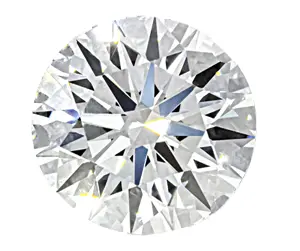
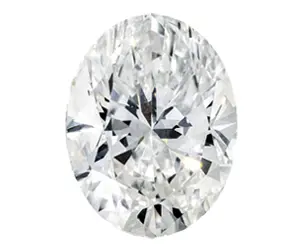
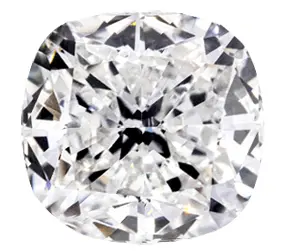
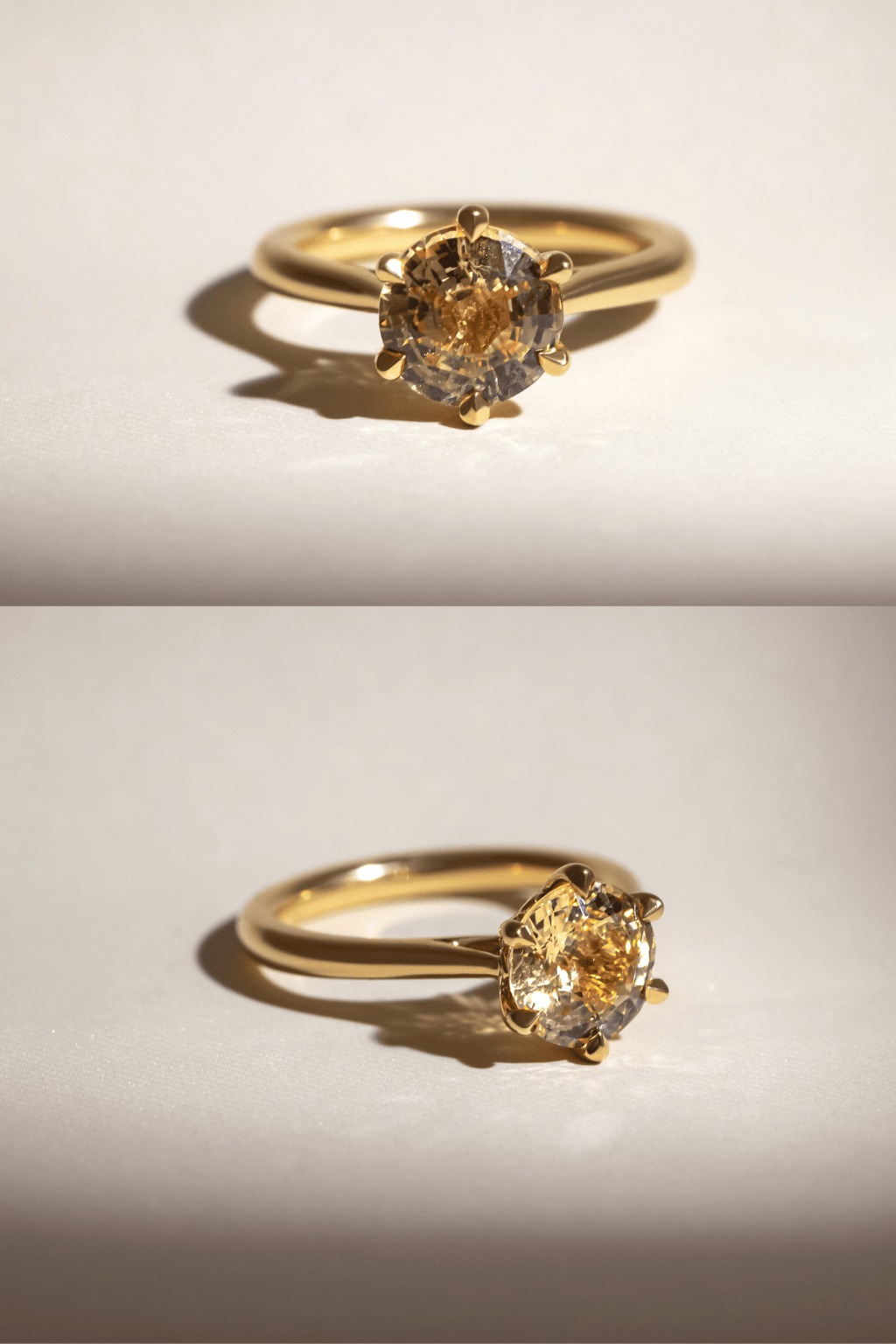
Champagne diamonds are naturally occurring fancy-coloured diamonds prized for their warm brown hues with subtle yellow undertones, reminiscent of fine champagne. Their colour develops during formation due to nitrogen trapped within the crystal lattice, with higher concentrations producing deeper tones. Also known as cognac diamonds, these stones are valued for their distinctive character rather than colourlessness.
Read moreshape
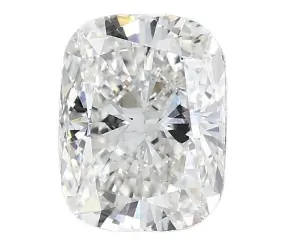
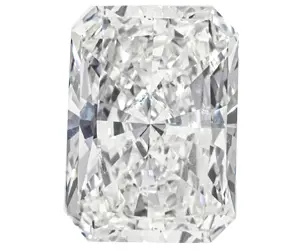
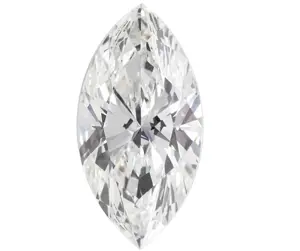
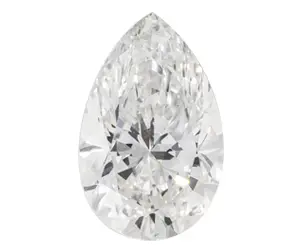
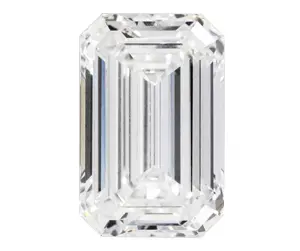
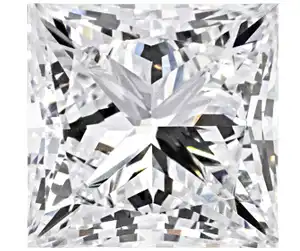
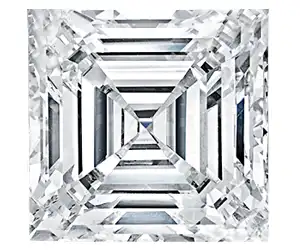
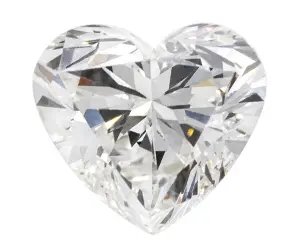
carat
clarity
price
Intensity

cert.certificate
Need Help Choosing a Champagne Diamond?
Need Help Choosing a Champagne Diamond?
Book a personal consultation at our London showroom to explore our collection. Try on a range of champagne diamond rings and select from certified, ethically-sourced stones with guidance from our experienced in-house jewellers.
Get personalised advice from experienced jewellers
How Do Champagne Diamonds Get Their Warm Golden Hue?
Champagne diamonds develop their warm golden-brown hue from nitrogen atoms incorporated into the diamond’s crystal lattice during formation. This natural presence alters light absorption and creates tones that range from soft honey to deep cognac. Despite their rich colour, champagne diamonds retain the same exceptional durability as colourless diamonds, ranking 10 on the Mohs scale. While generally more accessible than white or other fancy-coloured diamonds, their natural warmth and strength make them a distinctive and enduring choice for fine jewellery.
How Do Champagne Diamonds Pair with Rose and Yellow Gold?
Champagne diamonds are at their best when paired with warm metals. Yellow gold naturally echoes the diamond’s golden-brown undertones and allows the colour to appear richer and more uniform. Rose gold, with its copper content, adds a soft contrast that lifts the diamond’s warmth while giving the setting added depth. In both cases, these metals reflect warm light into the diamond and strengthen its natural character. To shop top-tier quality of champagne diamond ring, contact our experts today!
Red Diamond- FAQ's
Are champagne diamonds real diamonds?
Are champagne diamonds real diamonds?
Yes. Champagne diamonds are 100% natural diamonds with the same chemical composition, crystal structure, and hardness as colourless diamonds.
How are champagne diamonds graded for colour?
How are champagne diamonds graded for colour?
Champagne diamonds are graded using intensity scales for brown diamonds, often ranging from light champagne to deep cognac, rather than the traditional D-Z colour scale used for white diamonds.
Do champagne diamonds cost less than white diamonds?
Do champagne diamonds cost less than white diamonds?
In most cases, yes. Due to greater availability and different market demand, champagne diamonds are typically priced lower than comparable colourless or rare fancy-colored diamonds.
Do champagne diamonds fade or change colour over time?
Do champagne diamonds fade or change colour over time?
No. The colour of a natural champagne diamond is stable and permanent, as it is inherent to the crystal structure and not a surface treatment.

Need help choosing ?
We're happy to help