Chocolate Diamonds
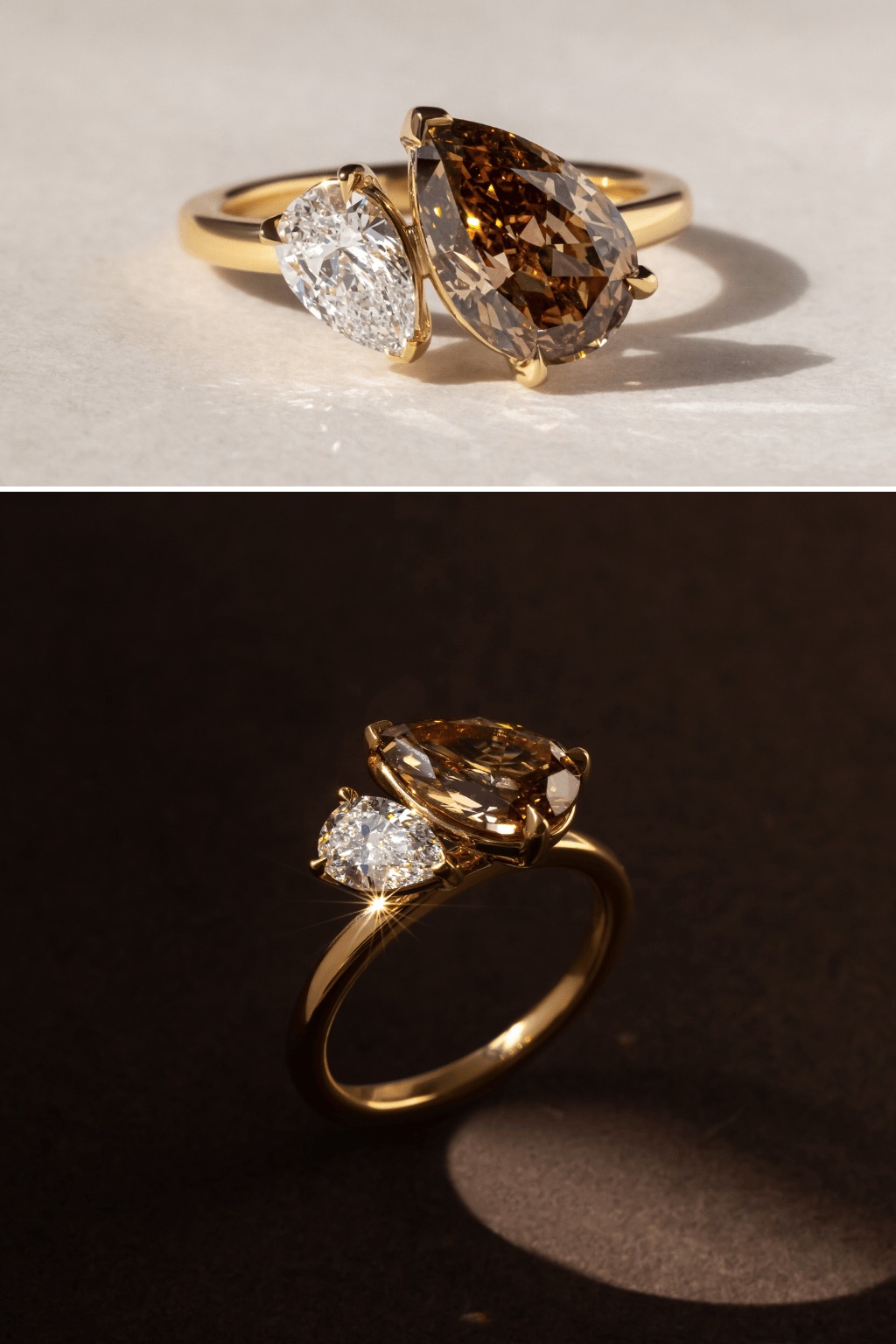
Chocolate diamonds are gem-quality brown diamonds valued for their rich and earthy tones. While brown diamonds occur naturally, only those with sufficient transparency, clarity, and appealing colour are suitable for fine jewellery and are described as chocolate diamonds. Their hues range from soft golden and champagne shades to deeper coffee-brown tones. At Flawless Fine Jewellery, chocolate diamonds are selected for their depth and refined character.
Read moreshape
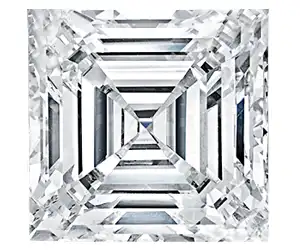
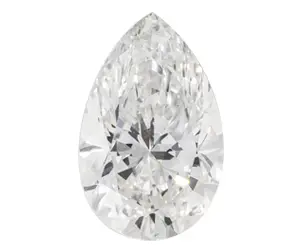
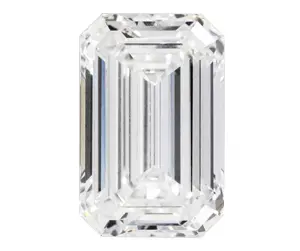
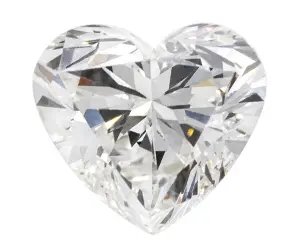
carat
clarity
price
Intensity

cert.certificate
Get Help in Selecting Your Diamond
Get Help in Selecting Your Diamond
At Flawless, our specialists walk you through every technical aspect of chocolate diamonds, including cut precision, clarity characteristics, and colour grading, so you can make a fully informed decision.
One-on-One Guidance from Our Jewellery Experts
How Do Chocolate Diamonds Differ from Traditional Brown Diamonds?
The distinction between chocolate diamonds and traditional brown diamonds lies primarily in appearance and treatment. While all chocolate diamond rings are brown diamonds by nature, the term “chocolate diamond” is commonly used in the jewellery trade for stones that display richer colour and improved visual appeal. Many of these diamonds undergo colour or clarity enhancement to reduce natural opacity. Untreated brown diamonds typically appear more muted and less reflective, whereas treated chocolate diamonds are presented with more uniform depth of colour.
What Gives Chocolate Diamonds Their Rich Cocoa Tone?
Chocolate diamonds derive their rich cocoa-brown tone from structural distortions within the diamond’s crystal lattice, commonly associated with nitrogen impurities and plastic deformation during formation. These defects affect how the diamond absorbs light, shifting colouration toward brown rather than yellow. At Flawless Fine Jewellery, rings chocolate diamonds are designed to highlight the stone’s rich cocoa tones through carefully selected settings and precious metals.
Brown Diamond- FAQ's
Are chocolate diamonds graded using the same colour scale as white diamonds?
Are chocolate diamonds graded using the same colour scale as white diamonds?
No. Chocolate diamonds are assessed within the brown colour range and are not graded on the standard D–Z scale. Laboratories evaluate hue, tone, and saturation to determine colour quality.
What internal characteristics are common in chocolate diamonds?
What internal characteristics are common in chocolate diamonds?
Chocolate diamonds often display graining, lattice distortion, and colour zoning, which are structural features associated with brown diamond formation. These characteristics can affect transparency and light performance.
How does cut quality affect a chocolate diamond’s appearance?
How does cut quality affect a chocolate diamond’s appearance?
Precise cutting is essential to maximise light return and minimise visible opacity. Well-proportioned facets improve contrast and brightness, helping the diamond appear more lively despite its darker tone.
Are chocolate diamonds suitable for engagement rings?
Are chocolate diamonds suitable for engagement rings?
Yes. Their hardness, abrasion resistance, and stable colour make them structurally ideal for engagement rings, provided cut and clarity meet jewellery-grade standards.

Need help choosing ?
We're happy to help